
What I've Learned About Pet Insurance
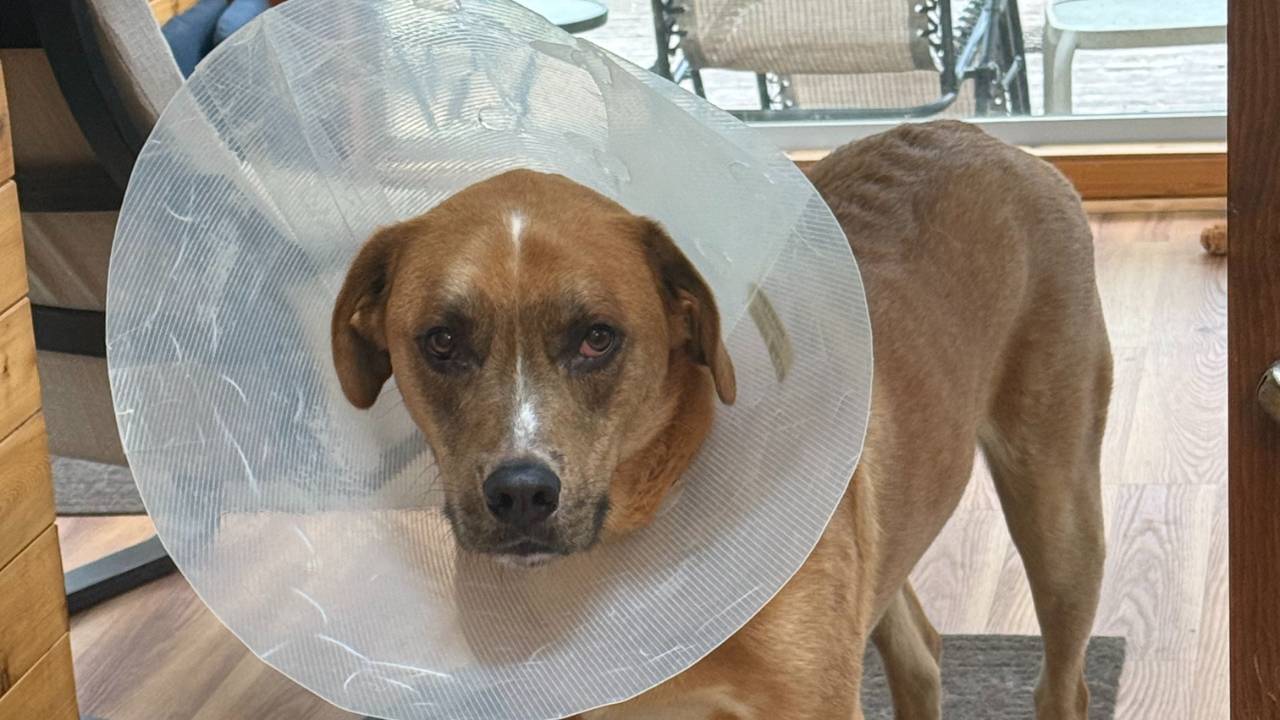
When we signed up for pet insurance, I was picturing the worst case scenario. An emergency on the weekend, a surgery, the bill with too many zeros. That's what insurance is for, right? Bruce was one year old when we insured him, so we chose a $1,000 deductible to cover big ER bills and keep our monthly premium down.
Then Bruce was diagnosed with dry eyes, and I started thinking about pet insurance for chronic conditions.
The Cost I Didn't See Coming
Dry eye is easy to manage with a daily medication. It's not dramatic. It does cost about $75 a month. Over a year, Bruce's meds add up to roughly $900, which is nearly our entire deductible.
So we'll spend almost $1,000 on his medication, and insurance won't give us a penny back unless something unexpected happens on top of it. I made my decision based on catastrophe, not on the day-to-day expense of medicine. At one year old, daily medication wasn't even on my radar.
Now, dry eyes is a "preexisting condition" for Bruce. If I ever want to change policies his medication will not be covered.
How Are Rising Vet Costs Affecting Pet Parents?
Cost is a real concern. According to the PetSmart Charities-Gallup State of Pet Care Study, 52% of U.S. pet owners skipped or declined recommended veterinary care in the past year. Among them, 71% cited cost.
About two-thirds of pet owners say they could pay $1,000 or less if their animal needed lifesaving treatment. And 30% know someone whose animal died because the family couldn't afford care.
Financial euthanasia is a real thing. Loving, committed pet parents are being forced to say goodbye early because they can't pay for life saving treatments. That breaks my heart.
What's Happening With Vet Clinics?
The veterinary industry is changing. Many neighborhood clinics are now owned by corporations, and veterinary prices have climbed more than 60% since 2014.
Some of these corporations also offer their own in-house “insurance” plans. In my experience, many of them aren't truly insurance. They're bundled preventative care or wellness packages that include services you may not need, such as bloodwork, urine testing, annual x-rays, or elective vaccines.
If you find yourself shopping for a new veterinarian or clinic, it's okay to ask who owns the clinic. Is it a corporation? What are their fees for an exam? Is there a different fee for same day or 'sick' pet appointments?
Which Are the Best Pet Insurance Companies?
If you Google “best pet insurance companies,” you'll get lots of websites that compare insurers, and they all use affiliate links. It's easy to fill out a form with your animal's information and get quotes from several companies at once, or you can go to the companies directly. Either way, a heads up: you'll also end up on their mailing lists.
Some of the names that have consistently come up over the years are Lemonade, Healthy Paws, Embrace, ASPCA, Pets Best, Spot, Pumpkin, and Fetch. CBS MoneyWatch shared a review of the best pet insurance companies in November 2026 that priced several of them side by side, and the quotes for the same animal varied widely from company to company.
Whichever companies you look at, read the fine print, including how each one defines pre-existing conditions, and compare them using the same deductible, reimbursement percentage, and annual limit, so you're comparing like with like. Coverage also differs in other ways. Some companies reimburse for alternative and integrative methods, and some do not. Nearly all are reimbursement based meaning you need to pay the clinic and then the company reimburses you.
How Can I Pay for a Large Vet Bill?
Another resource is CareCredit. It's a credit card for healthcare expenses, including dental, vision, medical, and veterinary care, for you or for your animal. The big draw is their promotional financing options, which may include 6 months interest-free, subject to credit approval. It's not a replacement for insurance or savings, but it can help spread out a large, unexpected bill. Be sure to read the terms before you sign up, and plan to pay the balance off within the promotional period so interest doesn't catch you by surprise.
What Is a Pet Health Savings Account?
There's no official pet HSA, but you can create your own. It's simply a savings account dedicated to your animal's care. A savings account can work two ways:
Instead of insurance: put the amount you'd pay in a monthly premium into a savings account for your animal each month. For example, $50 a month adds up to $600 in a year. That money builds a cushion for vet bills, medications, a surprise, or an emergency. If you don't need it, the money is still yours.
In addition to insurance: set aside a monthly amount so your deductible is always covered if you need to file a claim.
Insurance can help with the catastrophic, and savings can handle the everyday or chronic expenses. A fund like this works best when you have the resources to cover larger expenses if they come up.
One More Thing to Consider: Your Animal's Size
If you're wondering whether pet insurance is worth it for large dogs, consider Bruce. after the dry eye diagnosis, Bruce split a nail. It required sedation and cutting the nail back to the toe. What should have been a simple two-week recovery turned into three months because of an infection. At 100 pounds, we spent over $700 on medications alone. As my vet said, big dogs take big meds and cost big dollars. (The good news... we exceeded the deductible and reimbursements covered the years premium.)
Size matters at the other end of the scale too. Animals under 10 pounds may need compounded medications for smaller dosing. Cats add another challenge, because they are masters at hiding pain. By the time you notice something is wrong, the problem may be serious and need more extensive care. Whether you share your home with a large dog or a small cat, it's worth factoring in size as you plan for vet bills.
Frequently Asked Questions
Is pet insurance worth it? It depends on your finances and your values. It tends to work best for large, unexpected expenses, not for routine care.
How much should I save for my animal's vet bills? A simple starting point is the amount you would have paid in monthly insurance premiums, set aside each month in savings.
Does pet insurance cover chronic conditions? Many plans cover chronic conditions that develop after you enroll, but pre-existing conditions, meaning anything your animal showed signs of before coverage started or during the waiting period, are typically excluded. That's one reason it helps to enroll while your animal is young and healthy. Waiting periods matter too. Repairing a torn CCL, the cruciate ligament in the knee, is one of the most common surgeries for dogs, and many companies have a longer waiting period for knee conditions, often up to six months. Coverage also depends on the policy, so read the fine print.
Should I buy my vet's in-house plan? You don't have to. Ask exactly what's included, then compare it to a standalone insurance policy. Many in-house plans are bundled wellness packages, not true insurance, so they may not protect you from a large, unexpected bill.
Is pet insurance worth it for large dogs? Costs scale with size, and big dogs take big meds and cost big dollars. When Bruce, who weighs 100 pounds, had a nail injury that turned into an infection, we spent over $700 on medications alone. Size is worth factoring in, along with your animal's age and health.
Does pet insurance cover alternative or integrative care? Some companies reimburse for alternative and integrative methods, and some do not. If that matters to you, ask before you enroll and compare plans using the same deductible, reimbursement percentage, and annual limit.
I'm not a veterinarian, insurance agent, or financial advisor. This is my own experience, so talk with your vet and do your own research.
Sources
Join my email community and learn more about animal aromatherapy
and other natural remedies for your furry family... and receive my FREE
Pet Parent's Guide to Diffusing Essential Oils
We hate SPAM. We will never sell your information, for any reason.
